
Are You Addicted to Stimulants? (+ Signs That You Need to Detox)
Have you ever depended on a cup of coffee after a long and sleepless night to through the next day? Are you a smoker or at least know someone who smokes habitually?

Many people use stimulants throughout the day, often without knowing how much they depend on those stimulants. This article will discuss seven of the most common stimulants, as well as indications that you may be struggling with dependence or abuse of stimulants.
What Are Stimulants?
Stimulants, as the name suggests, are compounds that increase the response of the brain and central nervous system. (1)
Often, stimulants are used to increase concentration and decrease drowsiness, but they are sometimes also used to treat asthma, neurological and psychological disorders, obesity and sleep disorders. However, doctors generally do not prescribe stimulants unless more traditional means of treatment have not been successful in difficult cases.
There are a variety of strengths among stimulants as well. The greater the effects of a stimulant, the greater the risk that dependency and abuse will follow regular use.
7 Most Popular Stimulants Used by the General Public
1. Caffeine
 In the United States, nearly 400 million cups of coffee are consumed every day. Not only that, but 31% of Americans who drink coffee state that coffee is the most important part of their morning, largely because out of all of the caffeine consumed by Americans, a whopping 75% comes from caffeine. (2)
Caffeine is a stimulant that is found not only in tea, coffee and chocolate, but it is also commonly added to sodas and energy drinks. Caffeine is often used to promote alertness and keep sleepiness at bay by stimulating the brain and central nervous system. People also utilize caffeine for weight loss and speeding up metabolism.
Over-the-counter caffeine pills are also available for those who would rather consume their caffeine without coffee or energy drinks, particularly beneficial for those who need to be awake and alert outside of their normal circadian rhythm. (3)
2. Adderall
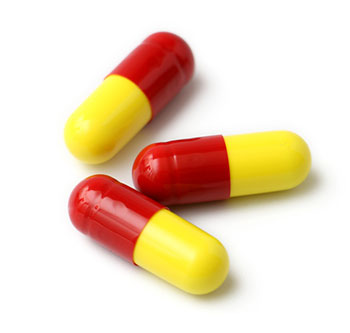 Adderall, an amphetamine, has increased in popularity in recent years for college students who are looking to get a boost. However, Adderall is a highly controlled substance classified by the Drug Enforcement Agency as Schedule II; this means it is considered dangerous and users run a high risk of addiction and abuse, placing Adderall on the same level as cocaine and methamphetamine.
If you do take Adderall, make sure you are doing so only under the close supervision of a medical doctor. (4)
This history of Adderall goes back to the late 19th century when the first amphetamine was first created in the lab. Throughout the 20th century, amphetamines were used by soldiers, civilians and students for the associated feelings of euphoria, energy and appetite suppressant. (5)
Different amphetamines have been prescribed for various conditions, including depression, anxiety, obesity and sleep conditions.
Introduced in 1996, Adderall (which is a combination of two different amphetamines) is illegal to use without a prescription, as is any amphetamine, and it is closely monitored due to the high risk for abuse and black-market trade. Adderall is only used in cases of depression and anxiety in which other routes have proven ineffective and the illness debilitating. Additionally, Adderall is used in severe cases of ADD and ADHD, as well as to help treat narcolepsy. (6)
Think you might be struggling with Adderall dependency? We’ve covered detoxing from Adderall naturally in another article that you might find helpful.
3. Ritalin
 Ritalin in its current form has been used for nearly eighty years.
Initially, Ritalin was used in massively depressed patients and geriatric patients in the 1940s and 1950s; when the drug was not very successful in the general public, makers began to market it toward “troubled” children.
Approved for treatment of children in the 1960s, it is still a fairly popular drug for the treatment of ADHD and ADD in children and adults. It is also used in rare cases of narcolepsy. (7)
Under the name methylphenidate, the DEA also classifies ritalin in Schedule II of IV, again for the high risk of abuse as well as the psychiatric side effects associated with regular and abusive use. (8)
4. Nicotine
 Tobacco leaves have been consumed, either through sucking on leaves or drying the leaves out and smoking them, for well over 2,000 years. Soon after Christopher Columbus made his way to the “New World” and back, tobacco became a major cash crop in Europe.
Cigarettes were first crudely created in the seventeenth century, but it wasn’t until a rolling device for cigarettes was created in the late nineteenth century that these little white sticks become cheap enough to be popular. (9)
Nicotine is a particularly interesting drug, as it can act as both a stimulant and a depressant, depending on the amount consumed. The less that is consumed, the more depressant of an effect nicotine has; consuming more gives a stimulant effect. (10)
Nicotine is highly addictive, and in 2014, nearly 6 trillion cigarettes were consumed throughout the world. (11) This may be due to the fact (as many studies suggest) that nicotine is more addictive than alcohol and is on the same level of addictiveness as heroin, cocaine, and amphetamines. (12)
Unlike many other of the stimulants on this list, there are no proven health benefits of nicotine, and while nicotine itself is not carcinogenic, many of the other substances in tobacco are.
5. Ephedrine
 Ephedrine, derived from the herb ephedra, is another common type of stimulant that has been used to promote energy and is an appetite suppressant and decongestant.
Interestingly, it is also used to help treat low blood pressure, particularly when associated with anesthetic use. Ephedrine comes in pill, nasal spray, and liquid form. (13)
Since it is made from a plant, many of those who use and abuse ephedrine mistakenly believe that this drug is a safe option for regular use. However, there are many side effects, both long- and short-term, associated with abusive use of ephedrine, and it is one of the most commonly abused stimulants on this list. (14)
6. Taurine
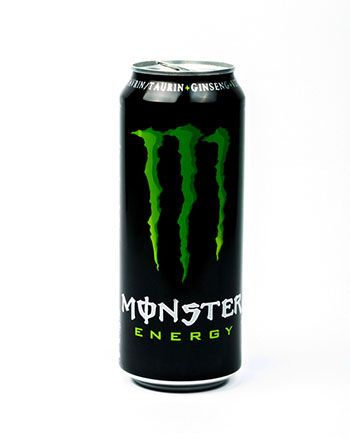 Taurine may not be as big of a household name as some of the other stimulants on the list, but with the rise of energy drinks, this stimulant has become increasingly popular.
Taurine is naturally found in many meats and dairy products and may be one of the few stimulants on this list that is fairly safe: it is hard to overdose on and actually has a couple of different health benefits.
Taurine works as an antioxidant, may ease the symptoms of Parkinson’s disease, and may aid athletes naturally without illegal stimulants. However, taurine almost always exists at therapeutic levels with caffeine, which does have some associated health concerns, including cases of fatal caffeine overdose. (15)
7. Ginseng
 Like taurine, ginseng has become increasingly popular in recent years as a more natural alternative to more traditional stimulants. However, this recent popularity comes after centuries of use by ancient North American and Chinese. (16)
Like taurine, there are a host of benefits of ginseng and fewer side effects than some of the more traditional options. These benefits include reducing stress and inflammation, lowering blood sugar and increasing weight loss. Ginseng is most commonly made into a tea, but may also be found in energy drinks. (17)
5 Signs and Symptoms of Stimulant Addiction
There are plenty of health benefits associated with stimulants, but there are also plenty of health concerns associated with them—most often addiction and dependence. This section will go over five signs that you might be addicted to or dependent on stimulants.
In order to understand this section, you must understand the difference between dependence and addiction. Dependence generally occurs first and is defined as the physical need for a substance. (18)
Dependence is associated with increased tolerance and withdrawal when the drug cannot be consumed as needed. Addiction occurs when there is a noticeable behavioral change in the individual, and the person’s main goals throughout the day focus on finding more of the substance to fulfill their body’s need for it. (19)
1. Stimulant dependence/addiction can cause appetite suppression and weight loss.
 Some people desire to take stimulants for a short period of time to help promote weight loss, but most people who take stimulants do so for the increased concentration and energy. If you find that you are unintentionally losing weight and are regularly consuming stimulants, it may be time to cut back on how much you are taking or talk with your doctor about lowering your prescribed dosage. This is particularly important if you are losing a large amount of weight quickly, as this in and of itself can cause a host of different problems. (20)
2. Stimulant dependence/addiction can cause paranoia, aggressiveness, and irritability.
Many people who are abusing both prescription and more natural or over-the-counter stimulants may see a marked personality difference.
People who are abusing stimulants or are just on too high of a dose of prescription stimulants may find themselves more paranoid, aggressive and irritable than usual. Some may also start to experience visual and audible hallucinations. (21)
Now, irritability associated with not having the usual cup of coffee in the morning and paranoia associated with Adderall use are two very different symptoms. If you or someone you love is experiencing concerns with caffeine, gently wean yourself off so much caffeine.
Conversely, if you or a loved one are experiencing personality changes associated with Adderall or Ritalin, a doctor’s visit should be in order.
3. Stimulant dependence/addiction can cause increased dependence on the drug and a need for more.
 One of the key indicators that someone is abusing or becoming dependent on a drug is their need for more and more of it to get the same stimulating result. (22) Combined with the increasing need for the substance, addictions can be costly—both financially and in personal relationships.
Even if there is a legitimate need for the drug, it’s important to manage one’s dependence on the drug, as well as tolerance to ensure that higher doses are not necessary for it to take effect.
4. Stimulant dependence/addiction can cause headaches.
One of the most common complaints from someone trying to cut back on caffeine or nicotine is the pounding headaches. These headaches become more severe based on the level of dependency and addiction you have, and with some of these stimulants, the associated headaches can be so debilitating they border on migraines.
5. Stimulant dependence/addiction can cause cardiovascular issues.
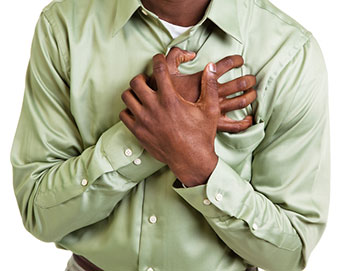 As many stimulants raise blood pressure temporarily, it should come as no surprise that prolonged use of stimulants due to dependency and addiction can have long-lasting and adverse side effects your heart and the rest of your cardiovascular system. Regular use can result in sustained high blood pressure, which can, in turn, lead to increased risk of heart attack and stroke. (23)
High stimulant doses to achieve a big enough reaction for those with increased tolerance can also trigger a sudden heart attack. Those who choose to inject their stimulants—usually those who are addicted to Adderall or Ritalin—can suffer from collapsed veins and bacterial infections, which in turn can lead to a host of other health issues throughout the body. (24)
Conclusion
Stimulants, when used in moderation and carefully, have some great health benefits. In fact, some detox teas contain stimulants.
From keeping you awake on those long road trips and jump starting a sleepy morning to helping control psychiatric and behavioral concerns like depression and ADD, some people can truly benefit from the use of stimulants. However, as outlined above, it is important to be mindful of side effects and not become too dependent on these potentially addictive ingredients.
Always work closely with a doctor for any over-the-counter or prescribed medications to manage the risk of developing an addiction and reduce side effects. As with anything, stimulants need to be taken in moderation and with great care. Regular detoxes can help reduce the negative side effects, and to potentially reverse any health risks associated with the use of stimulants.
0 Comments
Ask a Question